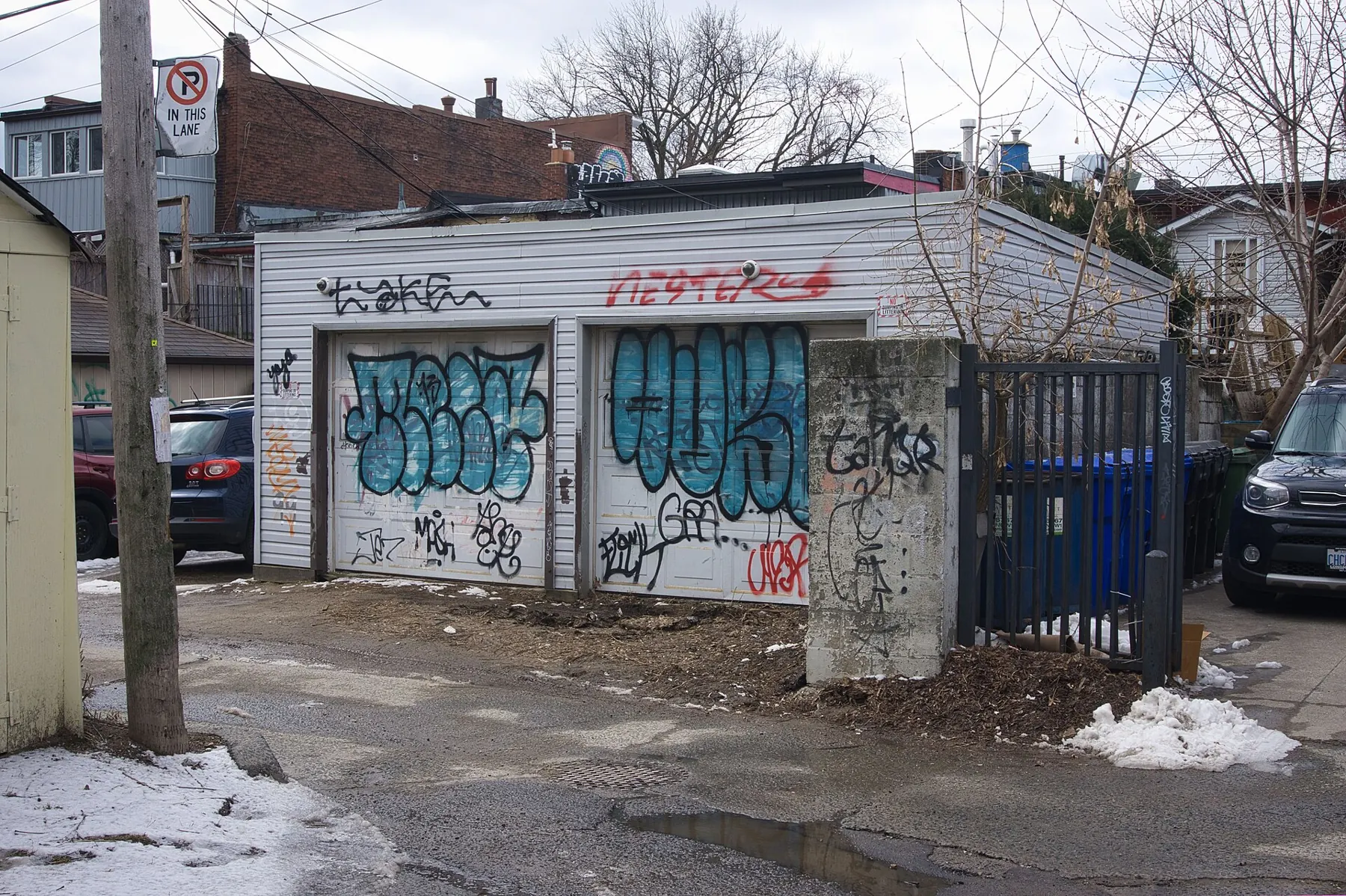
Houses end up empty for all kinds of reasons: an owner moved into care, a renovation stalled, a rental went vacant, a family could not agree on what to do. In Toronto, an empty house now has a carrying cost most cities do not charge. Starting with the 2024 tax year, the City's Vacant Home Tax is 3 per cent of the property's Current Value Assessment, on top of regular property tax.
Who has to declare
Every owner of a residential property in Toronto must declare each year whether it was occupied or vacant, and owners of several properties must declare each one. The declaration for the 2026 tax year is due by April 30, 2027. A house that is not declared can be treated as vacant, so even occupied homes need the declaration.
Exemptions worth knowing
The City lists exemptions including the death of a registered owner (up to three consecutive tax years), a principal resident in hospital, long-term care or supportive care for at least six months (up to two consecutive years), major repairs or renovations with permits that prevented occupancy for at least six months, a court order, and a transfer of legal ownership with a closing date in that tax year. Name changes or adding or removing an owner do not count as a transfer.
Where selling fits
If an empty house is costing you property tax, insurance, utilities and possibly the Vacant Home Tax, every month you wait has a real price. A sale that closes in the tax year can fall under the transfer exemption for that year. We buy empty houses as they are, so there is no need to furnish, stage or fix the place first.
Before you decide
If you plan to move back in, rent the house out, or finish renovations with permits, those may be better options. Check the exemptions with the City and your accountant, and compare our offer with listing before you choose.
Checklist
- Put the April 30 declaration deadline in your calendar every year.
- Keep records that support any exemption you claim, such as care facility letters, building permits or a closing statement.
- Tell your insurer the house is vacant, and follow any inspection conditions in the policy.
- Winterize or keep the heat on. Burst pipes in an empty house can go unnoticed for weeks.
- Ask us for an as-is number early, so you can weigh it against another year of carrying costs.
Would listing be better?
Sometimes. If the house is in decent shape and your timeline allows it, an open-market sale with a brokerage can bring a higher price, even after commission. Ask us for our number anyway and compare the two on our calculator.
General information only, not legal or tax advice. Rules change; confirm them with a lawyer and the sources below.